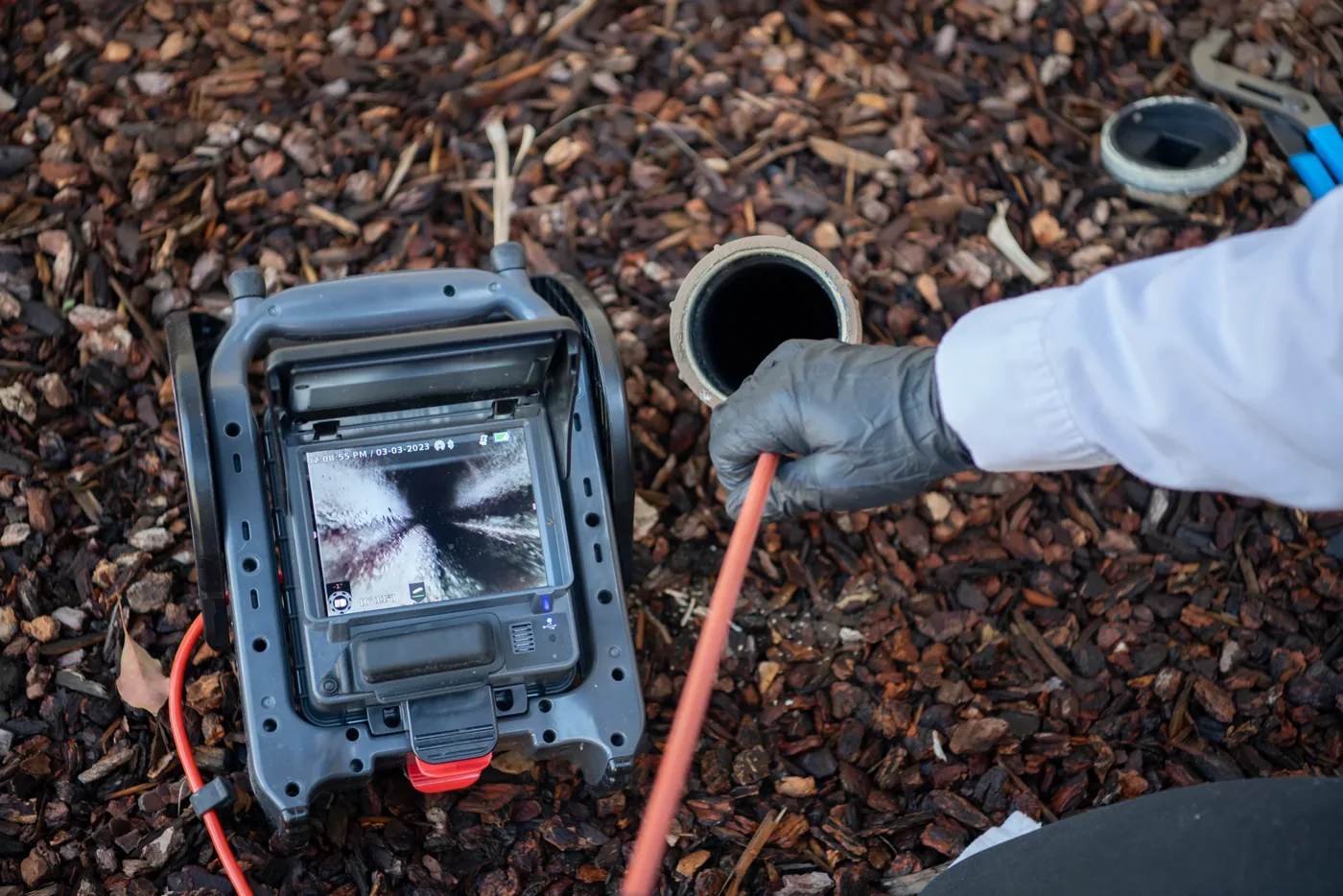
When a drain survey cannot inspect the whole pipe from one access point, the unexamined section should be recorded as an inspection limitation. It should not automatically be treated as either undamaged or defective. The next step is to establish where the survey stopped, whether another access point is available and what evidence is still needed.
This situation can occur even when the camera has already identified a genuine defect. The visible damage may be clear, but its full extent or the condition beyond it may remain unknown.
Identify exactly where the inspection stopped
An incomplete report should distinguish the last successfully inspected position from the remainder of the drainage run. The record is more useful when it identifies the starting chamber, direction of travel, measured distance and reason the camera could not proceed.
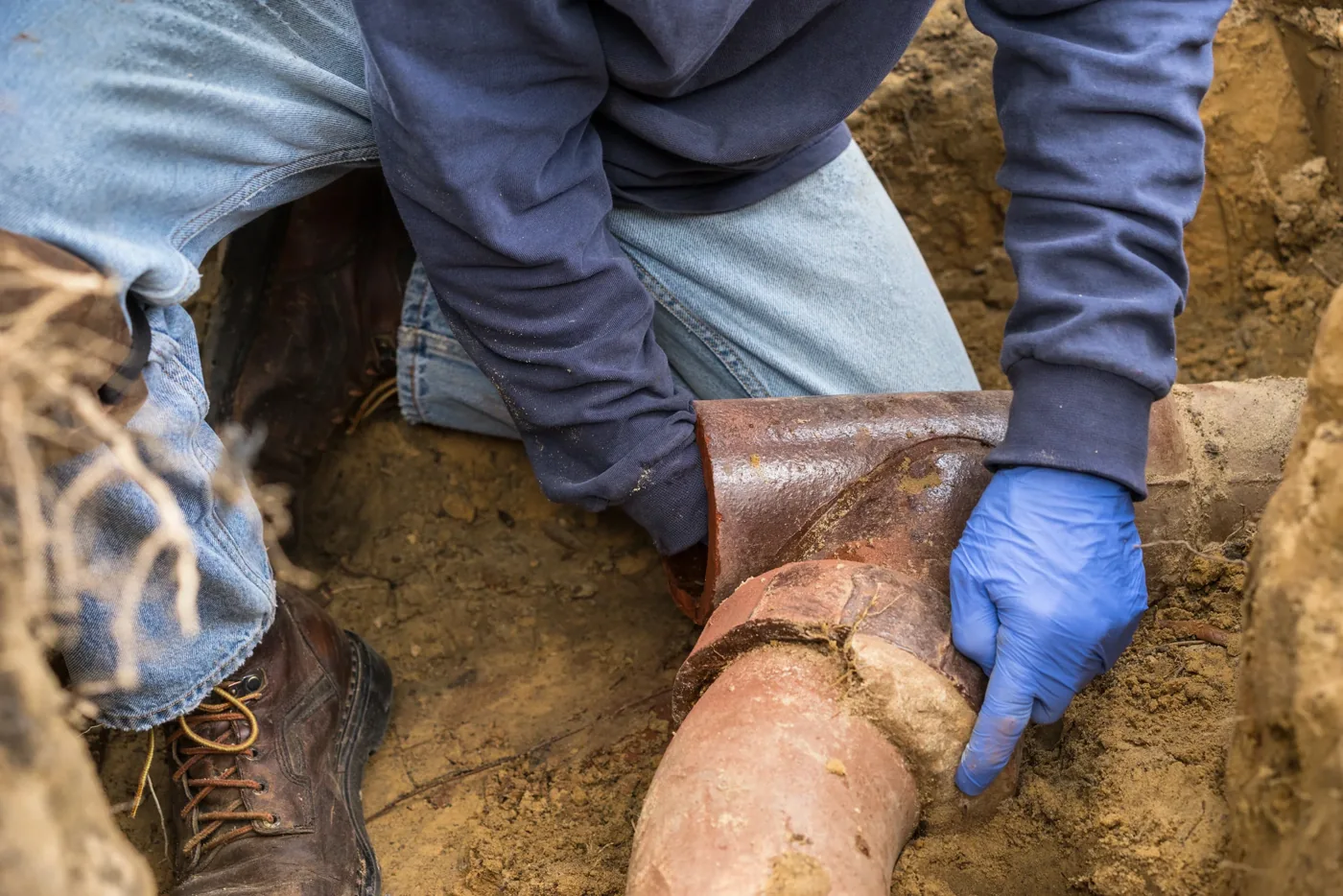
Possible restrictions include heavy deposits, an obstruction, standing water, a displaced joint, a sharp change in alignment or equipment limitations. These causes have different implications. A camera unable to pass through accumulated material has not demonstrated the same condition as one stopped by a visibly displaced pipe.
Look closely at the final recorded images. They may show an identifiable problem, or they may simply establish that visibility was insufficient.
For a property manager, the distinction affects how the remaining investigation should be authorised. If a defect has been confirmed at the stopping point, that evidence can be assessed separately from the uninspected drainage beyond it.
Check upstream and downstream access
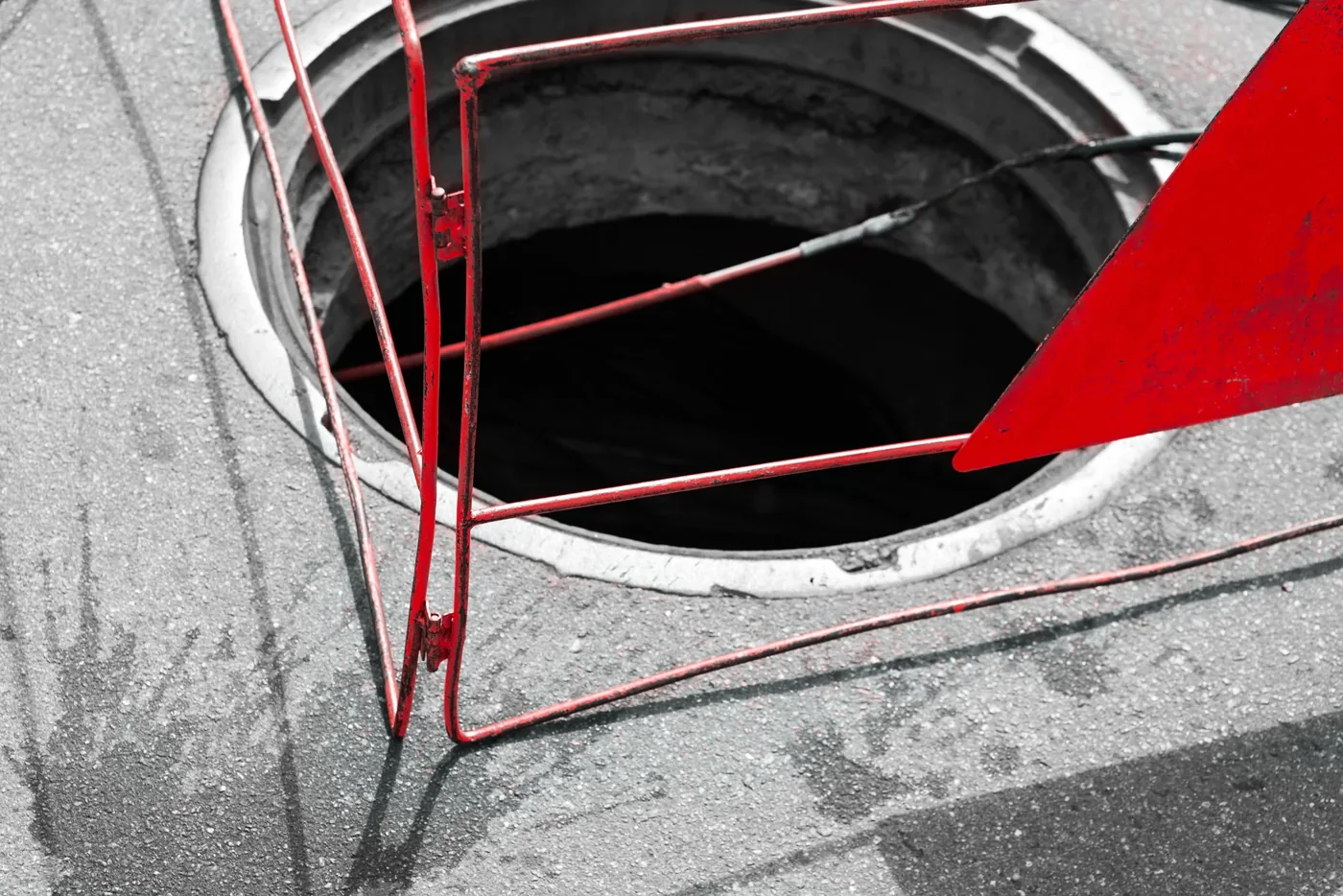
A drain that cannot be inspected fully in one direction may sometimes be examined from another chamber or suitable access point. Before deciding that additional construction is necessary, establish what access already exists.
Useful information includes:
- The locations of known upstream and downstream inspection chambers.
- Which direction each previous survey covered.
- The suspected position of intermediate branches or junctions.
- Whether the pipe can be approached from the opposite direction.
- Any areas where the drainage layout is still uncertain.
For older properties, alterations and extensions may have changed the drainage arrangement. A chamber shown on historic drawings might no longer be accessible, while another connection may not appear on the available plan.
The Environment Agency’s pollution prevention guidance for businesses in England explains the value of knowing drain locations and flow directions for maintenance and incident management. A current site plan can therefore be useful when reviewing alternative survey routes.
Where surface positions and connections are unclear, drain mapping can be considered separately from assessing structural condition.
Decide what the proposed repair still needs to establish
The amount of further investigation depends on the decision being made. If the identified defect is isolated and its surrounding pipe condition is sufficiently understood, a local repair may be assessable without investigating an unrelated branch.
However, a proposal to reline a long pipe section should be supported by adequate information about the length intended for repair. The condition, continuity and accessibility of that section affect whether the proposed intervention is suitable.
Separate confirmed findings from assumptions
A useful incomplete survey can still provide three clear categories of information: confirmed defects, surveyed sections where no relevant defects were recorded, and sections not inspected.
Those categories should remain separate in the repair documentation. For instance, ‘camera stopped at 12 metres’ is an observation; ‘pipe collapsed beyond 12 metres’ would require additional supporting evidence.
Further investigation may involve cleaning and repeating the inspection, approaching from another access point or assessing whether a new access position is justified. The appropriate option depends on the actual obstruction, site constraints and information required.
Where substantial structural damage is suspected, the need for replacement should be assessed against the observed condition rather than inferred solely from failed camera access. The difference between internal repair and excavation is explained in the site’s relining and replacement comparison.
Before approving work, request a clear record of the inspected and uninspected lengths, the proposed next investigation and the decision that investigation is intended to support. An incomplete drain survey can still be valuable when its limitations are properly described.