

Drain relining repairs suitable pipe damage from inside the existing drain, leaving the original pipe in place. The survey establishes whether the damaged run can accept a liner and whether excavation is needed anywhere along it.
How Drain Relining Works
How drain relining works, including survey, preparation, liner installation, curing and final inspection.
HomeHow Drain Relining WorksHow Drain Relining Works enquiry
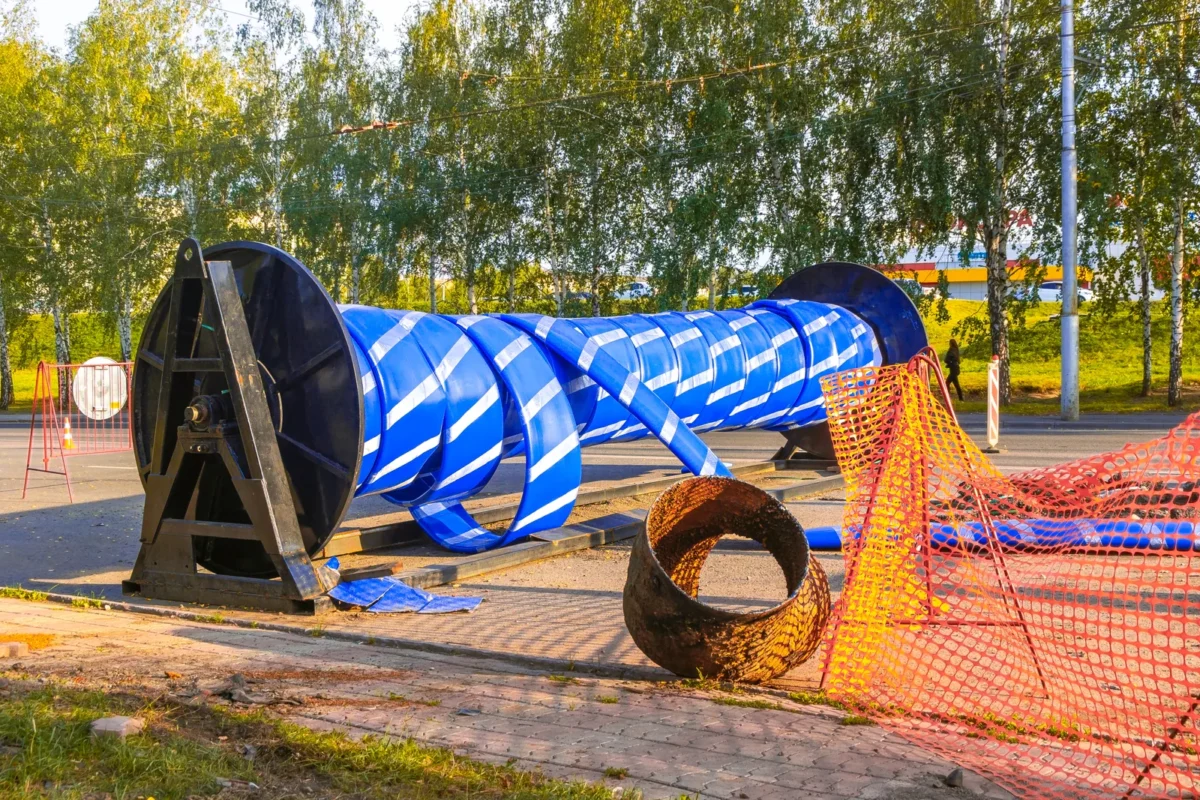
Pipe preparation and lining
The pipe is surveyed, cleaned where necessary and prepared for the selected liner system.
Connections and completion
Affected branch openings are kept functional or reopened before the finished repair is inspected.
Preparing the pipe and installing the liner
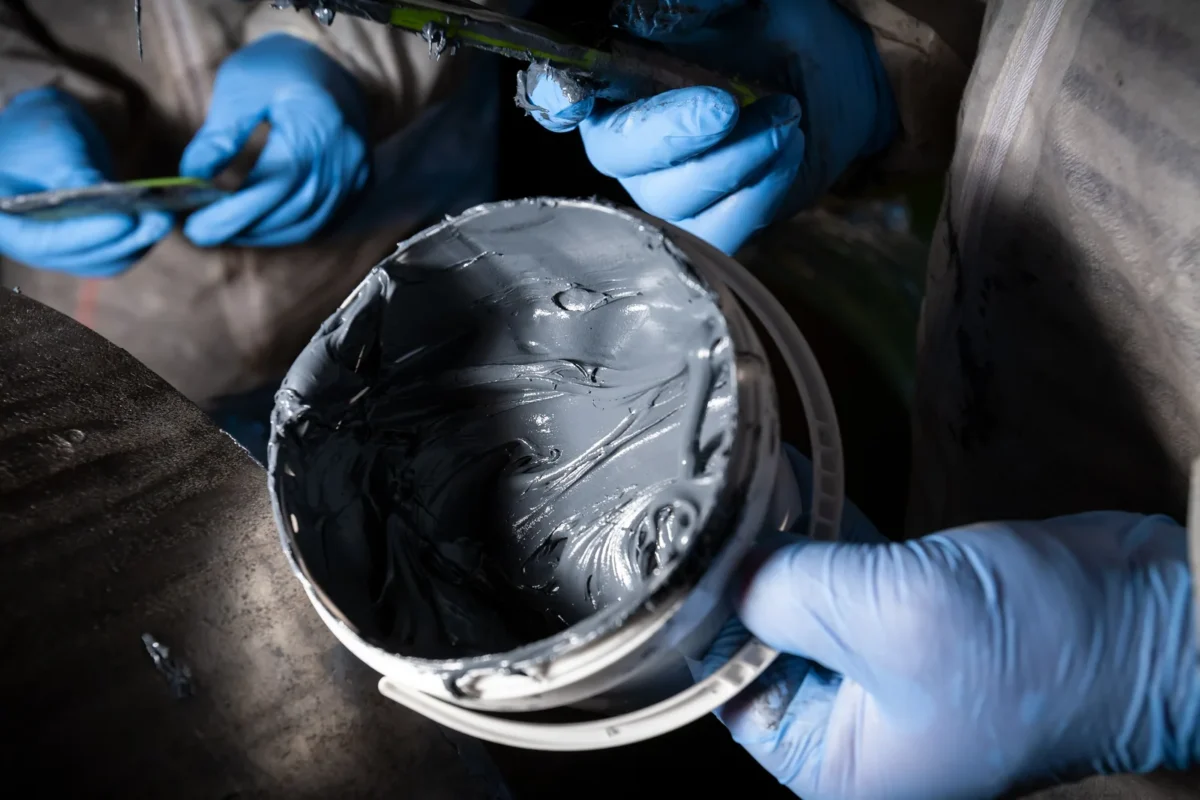
Survey measurements establish the pipe diameter, while CCTV shows bends, branches and the visible condition of the run. Deposits and roots are removed where necessary before a resin-impregnated liner is positioned and pressed against the pipe wall. The selected system then cures by its specified method, which may use ambient chemistry, heat or ultraviolet light.
Discuss a drain relining job
Complete the form and we will get back to you.
Branch connections and completion checks
A liner can cover branch openings during installation. These must remain functional or be reopened as the design requires before the drain returns to use. We inspect the completed repair and record any limit that remains. Because lining follows the existing alignment, it will not correct a serious fall problem.
Drainage use during installation
Wastewater entering the pipe during preparation or curing can affect the installation. Connected fixtures may therefore need to remain out of use until the specified cure and completion checks are finished.
How Drain Relining Works: common questions
Does relining replace the old pipe?
No. The existing pipe normally stays in place, with the cured liner forming a new internal repair surface.
Can the drain be used during installation?
Incoming flow usually has to be controlled during preparation and curing, so connected facilities may be temporarily unavailable.
Will lining correct a badly sloping pipe?
No. A liner generally follows the existing levels, so a serious fall problem may require excavation and realignment.
What happens to branch connections?
Any opening affected by the liner must remain functional or be reopened as the design requires before normal use resumes.
Is cure time the same as the total job time?
No. Cleaning, preparation, installation, branch work and completion checks also form part of the job.