

Commercial drain relining can repair damaged pipework while limiting disturbance to an occupied site. Before lining, we establish which facilities and processes discharge into the affected run. Shared drainage can affect more of the premises than the damaged section alone suggests.
Commercial Drain Relining
Commercial drain relining for occupied premises, with repair design based on pipe condition, connected facilities and the liquids carried.
HomeCommercial Drain ReliningCommercial Drain Relining enquiry
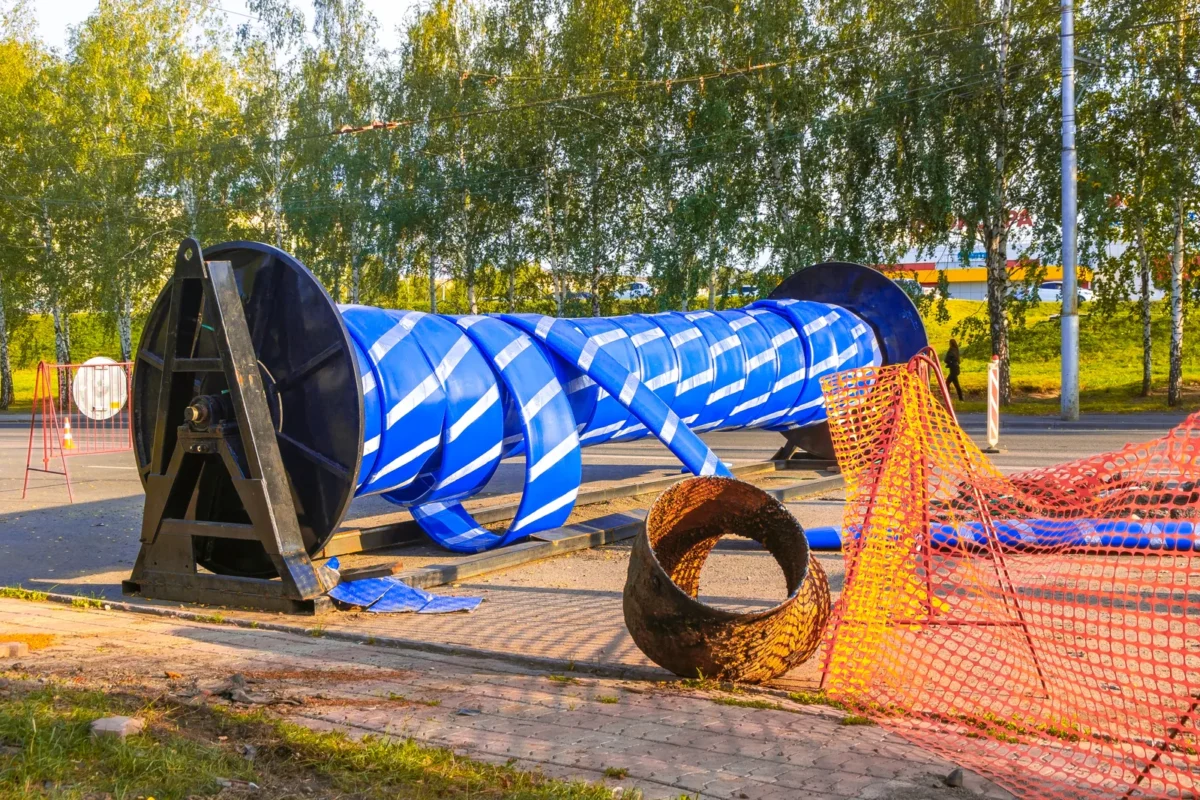
Drain use and liner selection
Wastewater type, cleaning chemicals, temperature and operating duty can affect the lining system required.
Managing connected flows
Upstream flows and shared branches need control during preparation, installation and curing.
Drain use and liner specification
Pipe diameter, branch connections and the liquid carried all affect the lining system. Industrial effluent or aggressive cleaning chemicals need compatibility checks against the proposed materials. Ordinary foul drainage cannot be assumed where process connections enter the same run, and a gravity-drainage liner is not automatically suitable for pressure service.
Discuss commercial drain relining
Complete the form and we will get back to you.
Keeping the premises operating
Preparation and curing require control of upstream flows. Where the drainage layout allows it, work is arranged to limit disruption to occupied areas. The completion findings show the repaired length and note relevant defects elsewhere, so the limits of the work are clear.
Process connections and branches
A washdown or process connection can change what enters the drain during repair. Those flows are considered alongside sanitary connections. After lining, affected openings are checked so the main bore is not restored while a smaller branch remains obstructed or defective.
Commercial Drain Relining: common questions
Can the business remain open?
The premises may stay occupied where flows and work areas can be controlled. Necessary facility restrictions are agreed beforehand.
Does one liner cover every branch?
Separate branches and junctions need explicit attention. A liner in the main run does not renew them automatically.
Do process discharges affect liner selection?
Actual chemicals, concentrations and temperatures need checking against the selected liner's application limits.
Does a drain liner automatically suit hot process water?
No. Operating temperature and chemical exposure need checking against the selected product and design.
Can repair work be phased across a site?
It may be, where the drainage layout and flow controls support a workable sequence.