If a proposed drain liner crosses an active branch connection, that connection needs to be included in the repair design and left functional at completion. Depending on the chosen system and access, the work may involve locating and reopening the branch through the installed liner, or a different repair arrangement. Covering it without a reinstatement plan could prevent the connected premises from draining.
Map the branches within the proposed lining length
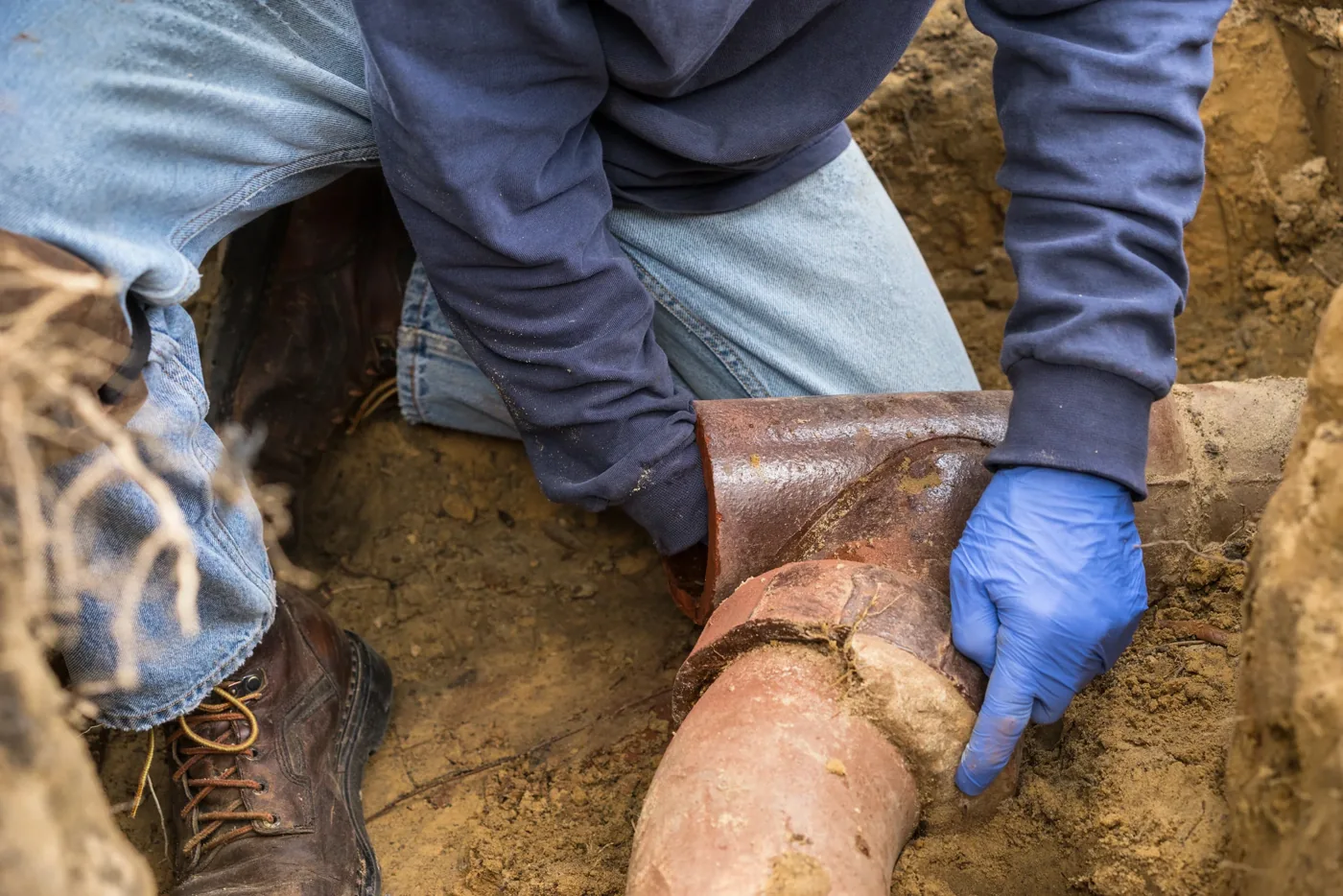
A lateral drain connection is where a branch joins the pipe being repaired. On commercial premises, branches may serve separate washrooms, kitchens, units or process areas. Knowing that an opening exists is only part of the assessment: the design also needs to establish what it serves and whether it remains in use.
Compare the CCTV record with the drainage plan and the site’s current layout. Older plans may predate alterations or changes of tenant. A dry connection during a short inspection is not proof that it is redundant. Intermittently used facilities may produce no flow while the camera passes.
Useful records include the connection’s position, the camera’s direction of travel and enough footage to relate it to a recognisable section of pipe. Uncertain connections need investigation before their treatment is decided, rather than assumptions based on an isolated image.
Include reinstatement in the repair proposal
For CIPP lining, the proposal should identify which branches fall within the lined section and how each active connection will be dealt with. Ask whether the quoted scope includes locating, reopening and inspecting those connections. Those are specific pieces of work, rather than details that can be left implicit in a price per metre.
The available access, pipe diameter and condition affect the proposed approach. A liner opening must correspond to the branch being reinstated; an opening made in the wrong place does not restore that connection. The treatment of the junction itself also needs consideration where the defect extends beyond the main pipe.
As one public-sector example, Southwark Council’s highway works specification addresses restoring lateral openings and avoiding edges that impede flow or catch material. Its project requirements illustrate the importance of connection workmanship; the repair specification for another site must reflect that site’s design.
Account for the premises served by each connection
Work on the main run can affect several users even when access is from a single chamber. Establish which facilities discharge through each branch and how their use will be managed during the installation. The arrangements may differ between a vacant unit and an occupied building whose washrooms must remain available.
Keep that operational information with the branch schedule. It helps the property manager coordinate access and explains why a repair to one section can require cooperation from people elsewhere on the site.
Check the connections at completion
Post-lining CCTV should identify the treated length and show the relevant branch openings. Match the completed record against the original connection schedule, rather than reviewing the new liner in isolation. The agreed inspection and any other specified checks should address both the main run and the connections affected by the work.
Record unresolved observations explicitly in the handover information. A smooth-looking main pipe alone does not show that every connected facility has been restored. A clear before-and-after record makes the completed scope understandable and provides useful evidence for future maintenance.