Before approving commercial drainage repairs, a facilities manager should expect a CCTV survey report to identify the affected pipe, locate each relevant defect, show the recorded condition and explain why the proposed repair is appropriate. A recommendation to reline or replace a drain is not enough without supporting inspection evidence.
The report should also make clear what could not be inspected. This matters when a repair budget depends on whether damage is confined to one section or extends further along the drainage system.
Confirm exactly which pipe and defect were inspected
Start with the location information. A useful report identifies the inspection access point, direction of travel and section of drainage examined. Where available, it should relate the surveyed run to a site drainage drawing or identifiable inspection chambers.
For a commercial property with several buildings, service yards or shared drainage connections, a general description such as ‘damaged underground drain’ leaves too much uncertainty. The approving manager needs to understand where work would take place and which parts of the premises could be affected.
For each defect supporting the proposed work, look for:
- The pipe run and inspection reference.
- The recorded distance from a clearly identified access point.
- The type and apparent extent of damage.
- Relevant observations about adjacent pipe condition.
- A corresponding footage reference or still image.
Distances recorded by inspection equipment should be treated as measured positions along the surveyed pipe, not automatically as precise surface excavation coordinates. Where accurate surface positioning is needed, ask how the defect location has been verified.
The Environment Agency’s pollution prevention guidance for businesses in England recommends maintaining drainage plans identifying pipe locations, drain types and flow direction. Such information can help relate inspection findings to the wider site.
Check footage, measurements and inspection limitations
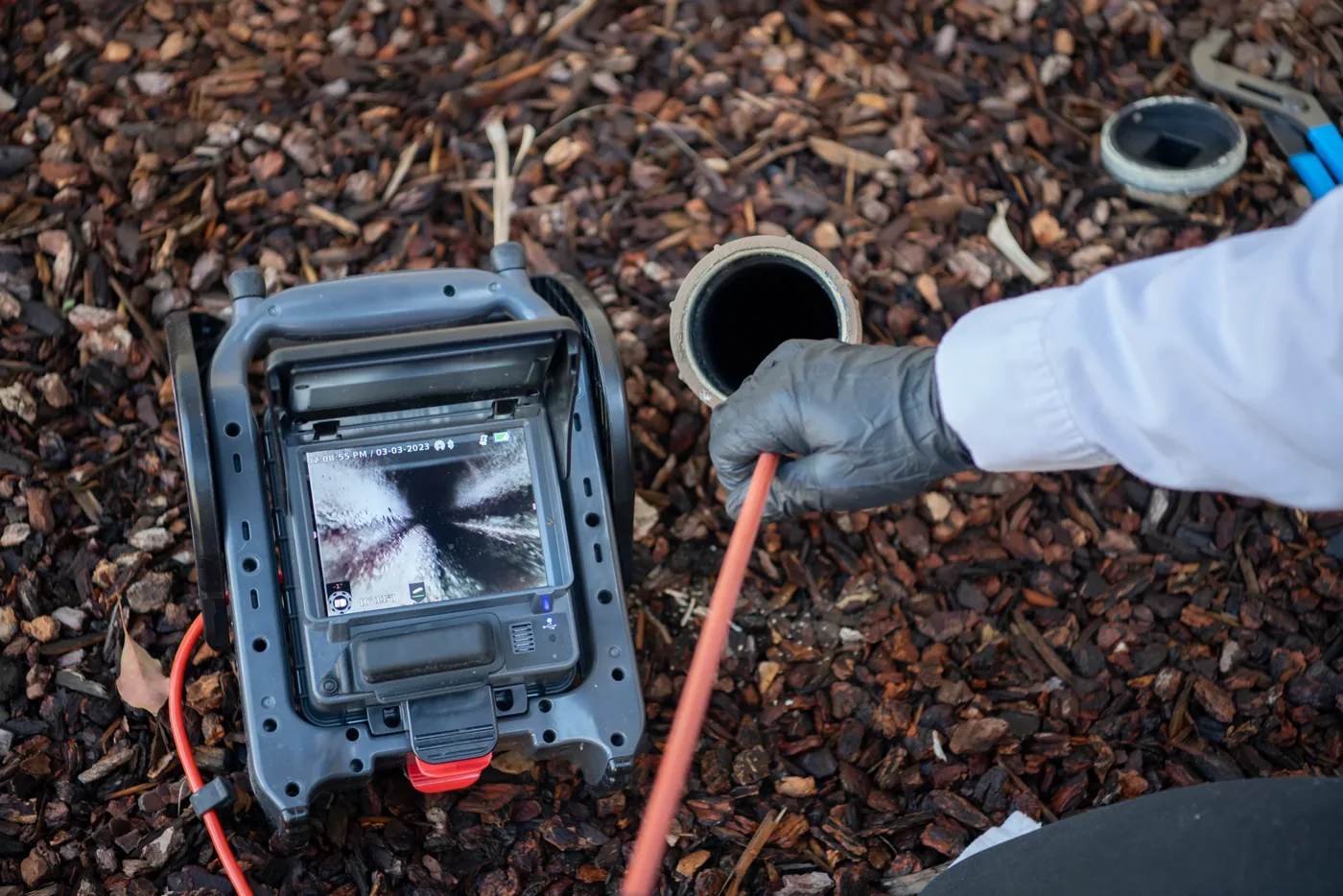
Recorded CCTV survey footage allows the person approving repairs to see the reported condition rather than relying exclusively on the written recommendation. The relevant recording should correspond to the defect reference and location stated in the report.
Consider whether the images clearly distinguish a structural defect from an obstruction, accumulated deposits or a temporary visibility problem. A crack, displaced joint, root entry point and heavily obstructed section may require different responses.
If the report uses observation codes, the site’s CCTV drain survey codes guide provides additional context. The approval decision should still account for the footage and surrounding pipe condition, not just an isolated code.
What if visibility was restricted?
Ask whether standing water, debris, deposits, poor camera visibility or an inaccessible section limited the inspection. The report should identify where the survey stopped and distinguish confirmed findings from sections not examined.
An uninspected length cannot reasonably be recorded as satisfactory merely because no defect was observed there. Equally, the absence of footage does not prove additional damage exists.
Identify what evidence supports the recommended repair
A repair proposal should connect each proposed intervention with the observed defect. For example, an isolated joint defect may justify assessing a local repair, while widespread deterioration may require consideration of a longer section.
Look for an explanation of why the proposed method suits the remaining pipe condition, access arrangements and extent of damage. Where relevant, the distinction between internal repair and replacement is explored in drain relining versus replacement.
Before authorising expenditure, establish the proposed start and finish positions, any cleaning or further investigation required, and whether the scope includes checking the repaired section afterwards. Separate confirmed repair requirements from provisional allowances for damage that has not yet been verified.
A sound approval decision is based on an identifiable defect, inspectable evidence, a justified repair boundary and clearly recorded uncertainties. If any of those elements is missing, requesting clarification before committing the work is more useful than accepting an unsupported recommendation.
For the inspection itself, see the CCTV Drain Survey service page.