

CIPP lining repairs suitable pipework by curing a flexible liner inside the existing drain. We use CCTV findings, pipe measurements and the intended service to decide whether the method is appropriate. CIPP covers several liner and resin systems rather than one universal product.
CIPP Lining
CIPP lining repairs suitable damaged drainage by curing a resin liner inside the existing pipe.
HomeCIPP LiningCIPP Lining enquiry
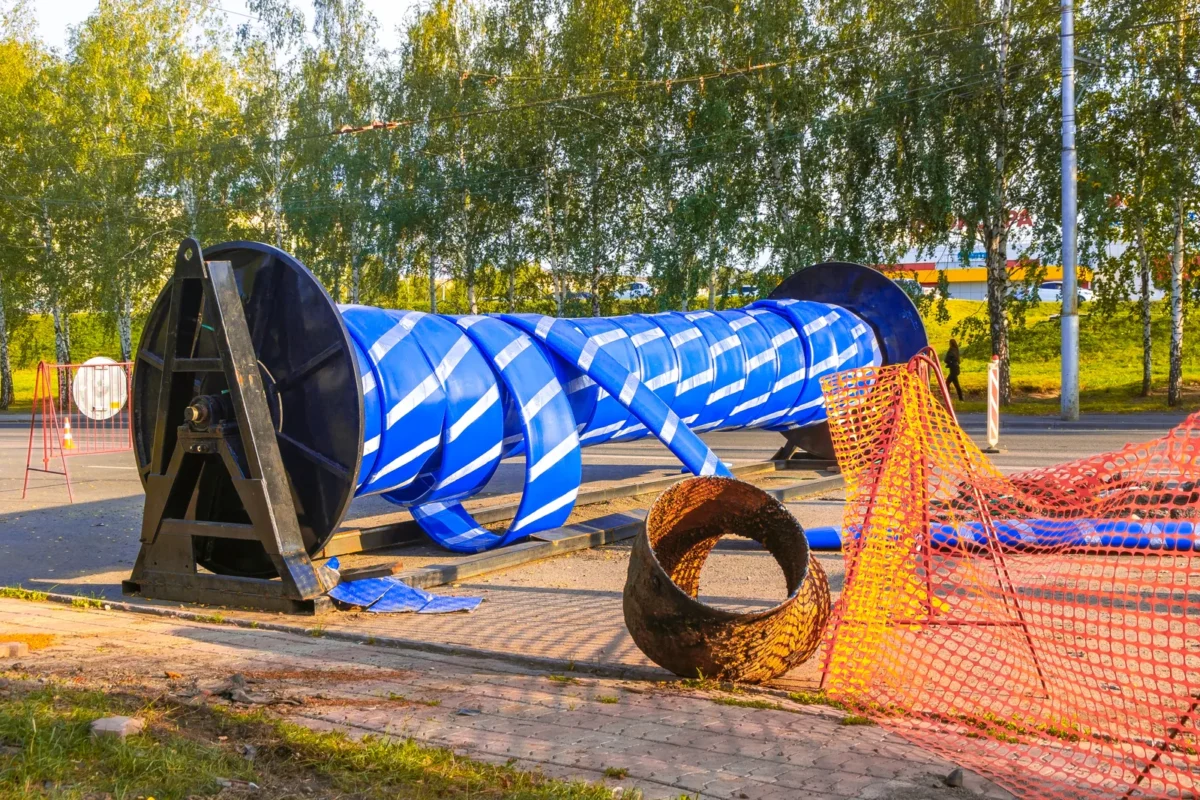
Liner and cure system
The resin, reinforcement and curing method must suit the pipe, installation conditions and intended service.
Bore and connections
Finished diameter and affected branch openings are considered as part of the repair design and final inspection.
CIPP materials and curing methods
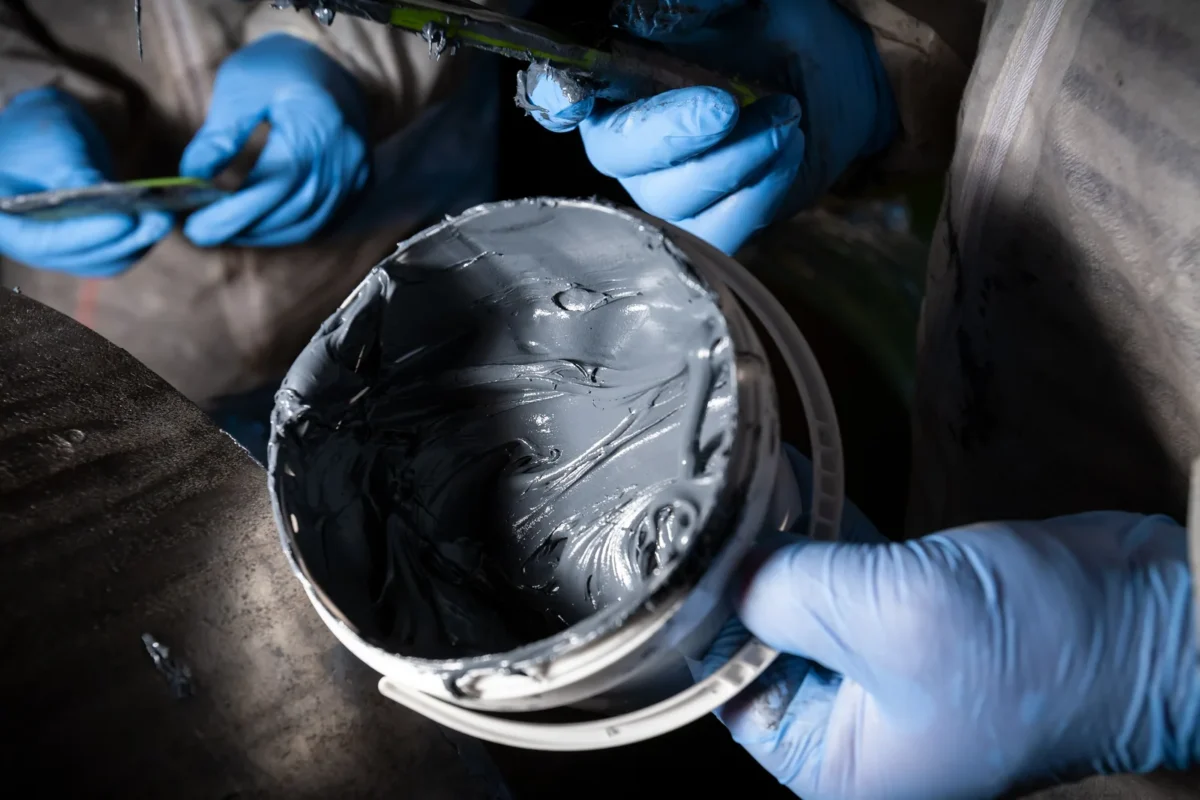
A resin-impregnated liner is positioned in the prepared bore and held against the pipe wall while it hardens. Ambient, heat-cured and UV-cured systems use different installation controls. Pipe geometry, host-pipe condition and service duty all influence the system and design selected.
Discuss CIPP lining
Complete the form and we will get back to you.
Finished bore and branch connections
The liner occupies some internal space, so the finished bore is considered as part of the design. Branch openings may need reopening after installation, and a defective junction can require separate treatment. The accessible finished surface and affected connections are inspected before the pipe returns to service.
Limits of CIPP lining
A smooth new internal surface does not change the route or fall of a gravity drain. Standing water caused by incorrect levels can therefore remain after lining. Collapse, severe deformation or other geometry problems may need replacement or enabling work before CIPP can be used.
CIPP Lining: common questions
What does CIPP stand for?
CIPP means cured-in-place pipe: a liner is installed within the existing bore and hardened there.
Are all CIPP liners cured with UV light?
CIPP systems can use ambient chemistry, heat or ultraviolet light. Each follows its own installation controls.
Does CIPP make the drain larger?
The liner takes up internal space. Its effect on the finished bore must be considered in the specification.
Can a liner cover an active branch?
Installation may temporarily cover an opening, but it must be restored or otherwise treated as the design requires.
Does CIPP remove the old pipe?
The host pipe usually remains in the ground with the cured liner forming the repaired internal pipe.