Arrange a specialist drain survey early enough to receive and assess the findings before you exchange contracts on a house. The most useful point is normally after your offer has been accepted but before you make the transaction legally binding. That leaves an opportunity to investigate defects, seek repair quotations or raise further questions through your conveyancer.
A drainage survey is not the same as the drainage search arranged during conveyancing, and neither automatically replaces the other. Understanding that distinction helps buyers avoid reaching exchange with unanswered questions about buried pipes.
Why does the timing matter?
In England and Wales, an accepted offer does not normally make the purchase legally binding. GOV.UK’s guidance on making an offer explains that this usually happens at exchange of contracts, and that problems identified through a survey can be relevant to negotiations beforehand.
A drain survey commissioned after exchange may still identify maintenance or repair needs, but the buyer has less flexibility to use those findings when considering the purchase. The practical value of earlier inspection is the time available to understand the evidence and obtain specialist advice.
The ideal inspection date also depends on access. The seller may need to arrange entry to an occupied house, open inspection chambers, provide previous drainage records or make an external area accessible. If a camera cannot inspect an important pipe run, additional investigation may be necessary.
Allow time for interpreting the results, not merely conducting the inspection. The footage might identify a defect without resolving its full extent or the likely repair method.
What does a drainage search tell a buyer?
A water and drainage search is part of the searches commonly organised through the conveyancing process. It can provide information about the property’s drainage and water infrastructure based on the relevant records.
That is a different question from whether an individual buried drain has cracked, displaced, become obstructed by roots or deteriorated internally. Recorded sewer arrangements do not constitute a current camera inspection of every private pipe.
A home condition survey also serves a different purpose. It can identify visible building concerns and recommend further investigation, but it should not be assumed to include a specialist internal CCTV examination of the below-ground drainage.
Use each source for its intended question:
- Conveyancing drainage search: recorded water and sewerage information relevant to the property transaction.
- Home condition survey: the building’s general condition within the surveyor’s inspection scope.
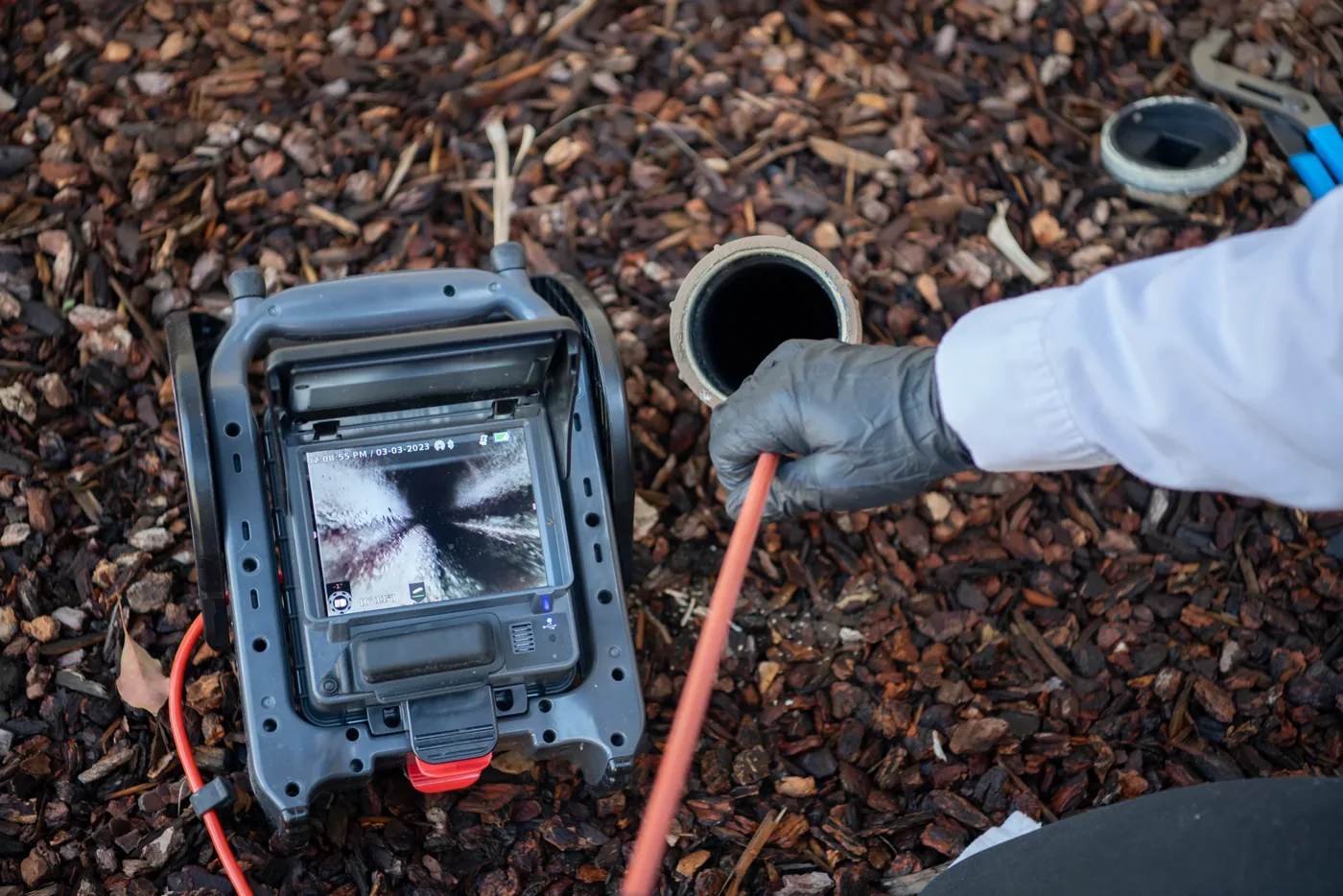
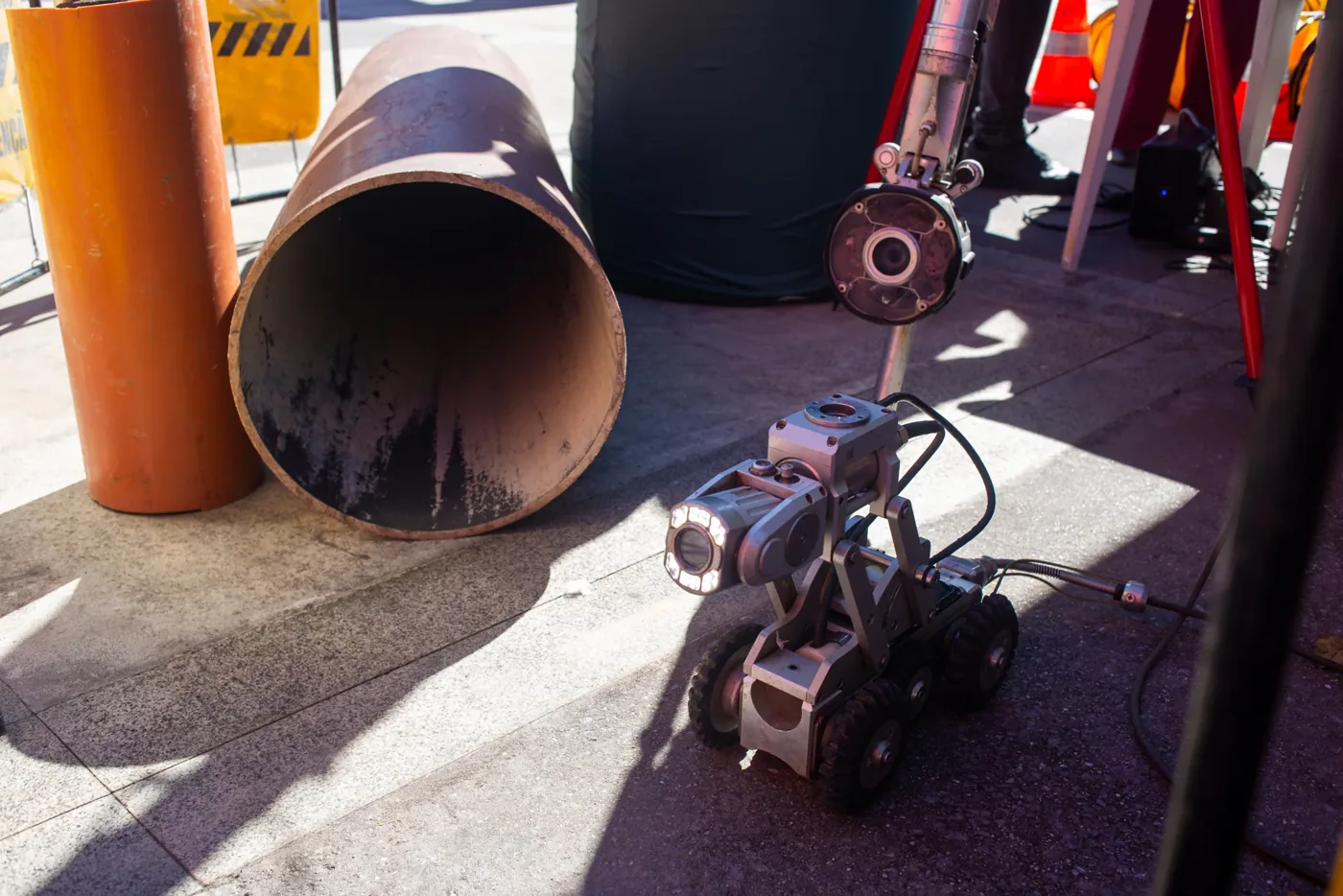
- Specialist CCTV inspection: visible internal condition and defects in the accessible drainage runs actually examined.
This distinction is useful where the buyer has received searches suggesting a drainage connection exists but has no evidence about the physical condition of the private pipe.
Which drainage runs should be included?
A useful inspection brief identifies the property being bought, its accessible chambers and the drainage routes that need examining. On a straightforward house, this may involve runs serving the building and their accessible route towards the downstream connection.
Extensions, separate outbuildings and changes in level can complicate the arrangement. A chamber near the front boundary may not receive every drainage connection from the house. Equally, the presence of two covers does not establish that all buried pipework between them is connected or accessible.
Ask that the report identifies the starting point, inspection direction and measured distance for findings. It should also distinguish inspected pipe from any run that could not be examined because of access limitations, standing water, deposits or obstruction.
If you are buying a house, our pre-purchase drain survey service explains what can be checked before exchange.
What happens if the survey finds defects?
Not every CCTV observation requires the same response. A confirmed fracture, an open joint, root entry, a restriction and a section that could not be inspected are different findings.
First establish which pipe is affected and what evidence shows the fault. The report should identify the location and describe whether the surrounding pipe is visible. Where the camera stops before passing the suspected defect, further inspection from another access point may be useful.
Then establish the proposed next action. This might involve cleaning to allow a better inspection, investigating a missing section, assessing a local repair, considering relining or obtaining an excavation proposal for a significantly damaged section.
The drain relining and replacement comparison explains why different defect conditions can lead to different repair choices. A finding should not be turned into an assumed repair cost without understanding the intended treatment.
If a quotation is needed, ask the contractor to identify the exact run, proposed repair length, included work and any assumptions about inaccessible sections. This produces more useful transaction evidence than an unspecified allowance for ‘drain repairs’.
Who is responsible for a damaged drain?
The location of a pipe within a garden is not sufficient on its own to establish responsibility for maintaining it. Public sewers and some lateral or formerly private sewers may be maintained by the sewerage company, while individual private drains generally remain the property owner’s responsibility.
Ofwat’s explanation of drainage responsibility describes the division between owners and sewerage companies, including the transfer of many private sewers in 2011.
For a buyer, the practical question is whether the defect is on a privately maintained run, a company-maintained sewer or a section whose status needs confirming. Your conveyancer can consider the relevant property information while the sewerage company can clarify assets it maintains.
A specialist inspection can identify observed damage and its approximate position along the pipe. It does not, simply by recording footage, establish legal ownership or determine who must pay for the repair.
What should you do with the report before exchange?
Review the findings alongside the other property information rather than treating an inspection summary as a simple pass or fail. Keep the footage and location references available for anyone asked to assess repairs.
A practical decision sequence is:
- Identify which relevant drainage runs were inspected and which remain unexamined.
- Separate confirmed structural damage from deposits, maintenance observations and uncertainty.
- Obtain a repair assessment where an observed defect may affect your decision.
- Clarify maintenance responsibility for the affected pipe.
- Provide the findings and any quotations to your conveyancer before deciding how to proceed.
For older properties, another useful distinction is between discovering an old pipe material and demonstrating that the pipe has actually failed. Our pitch-fibre drainage guide illustrates how material identification and recorded condition need separate consideration.
A pre-exchange drain survey is most valuable when it gives the buyer a traceable account of what was examined, what was found and what remains unknown. That information supports a better-informed decision without assuming every older drain needs replacement or that an incomplete inspection proves the system is sound.