A collapsed drain does not automatically mean the entire underground pipe must be replaced. The necessary replacement length depends on where the pipe has lost its usable opening, whether the adjoining sections remain sound, and where suitable connections can be made. A local failure may need a short excavation and replacement, while damage extending beyond the visible obstruction can require a wider investigation and repair.
The important question before approving a quotation is not simply where the camera stopped. It is how the proposed replacement boundaries have been established, and what would justify extending them once the pipe is exposed.
Why the visible collapse might not show the full damage
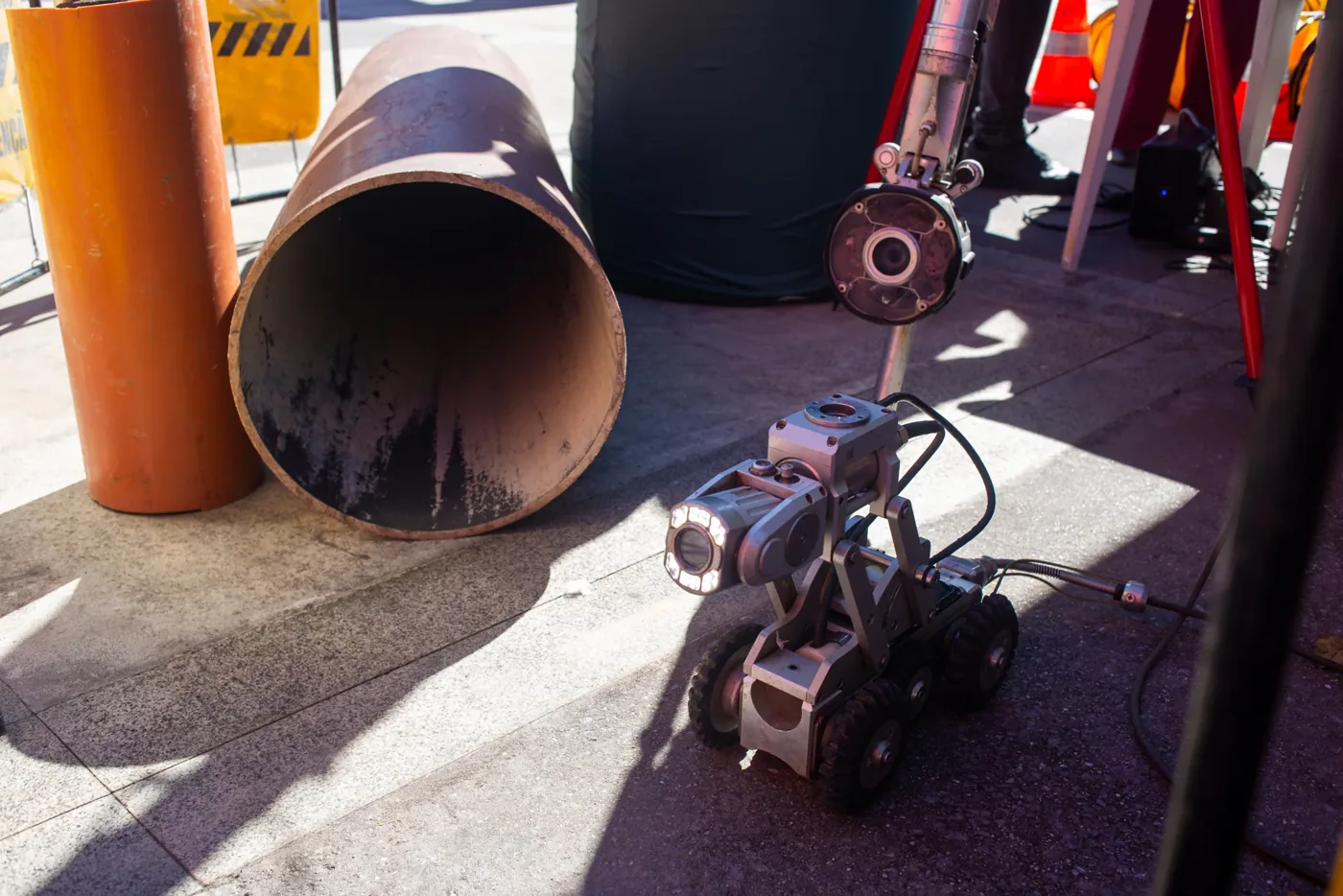
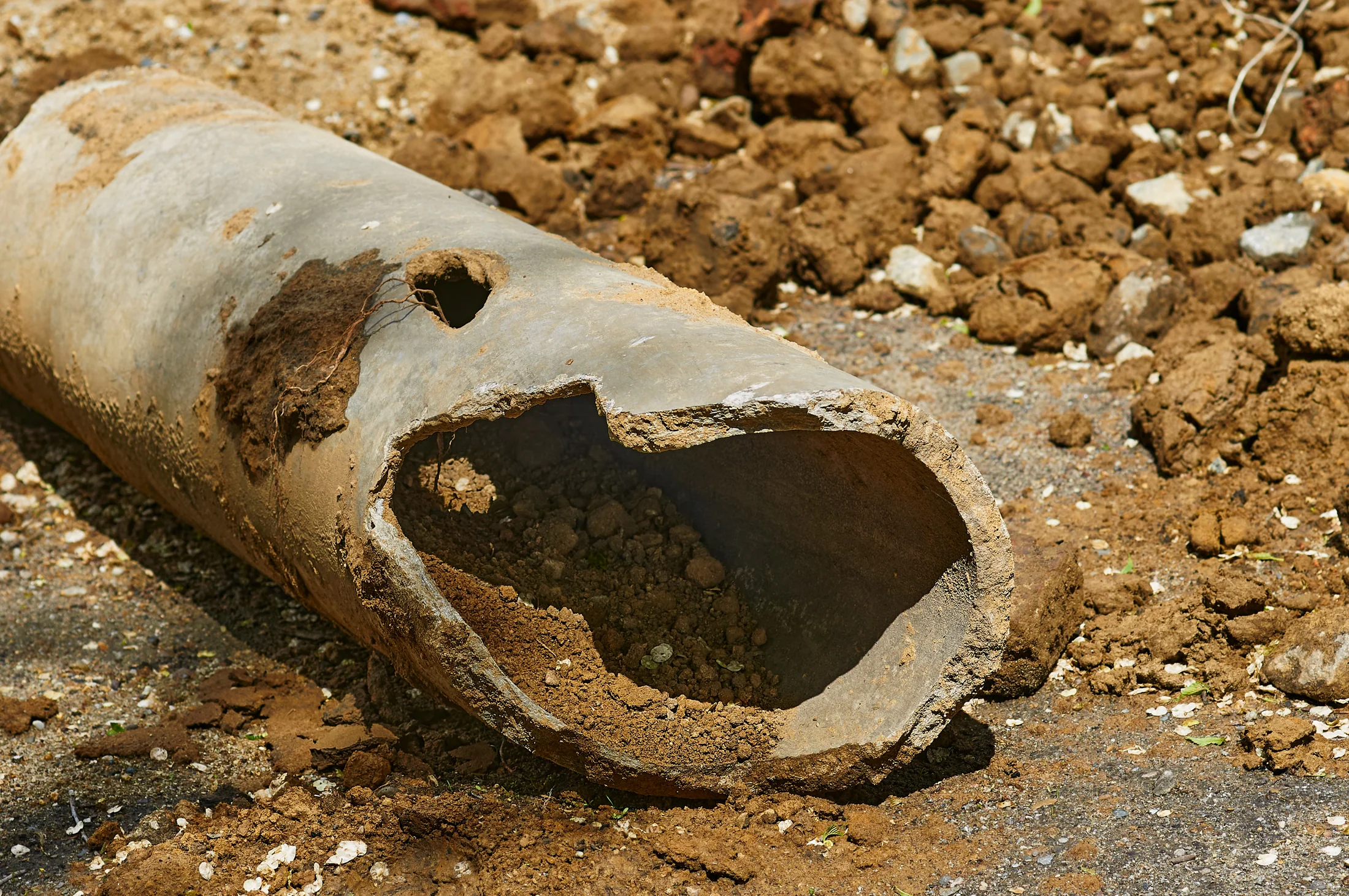
When part of a drain breaks inward, the resulting material can obstruct the camera. The recording may show broken pipe, displaced sections, soil or accumulated deposits immediately before the camera stops. It cannot reliably describe the condition of pipework beyond an obstruction it cannot pass.
A blockage can also prevent inspection without proving structural collapse. Roots, compacted deposits or an object trapped at a joint may stop equipment even where much of the pipe remains intact. A confirmed collapse should therefore be distinguished from a suspected one in the survey findings.
Inspection from another accessible chamber may reveal the opposite side of the damaged section. The footage should retain consistent chamber references, inspection directions and measured distances so the two observations can be related to the same pipe run.
If neither approach can show the entire damaged length, that uncertainty should be identified in the proposed repair scope. The contractor may need to confirm the final replacement boundaries after opening the ground.
What determines the start and finish of replacement?
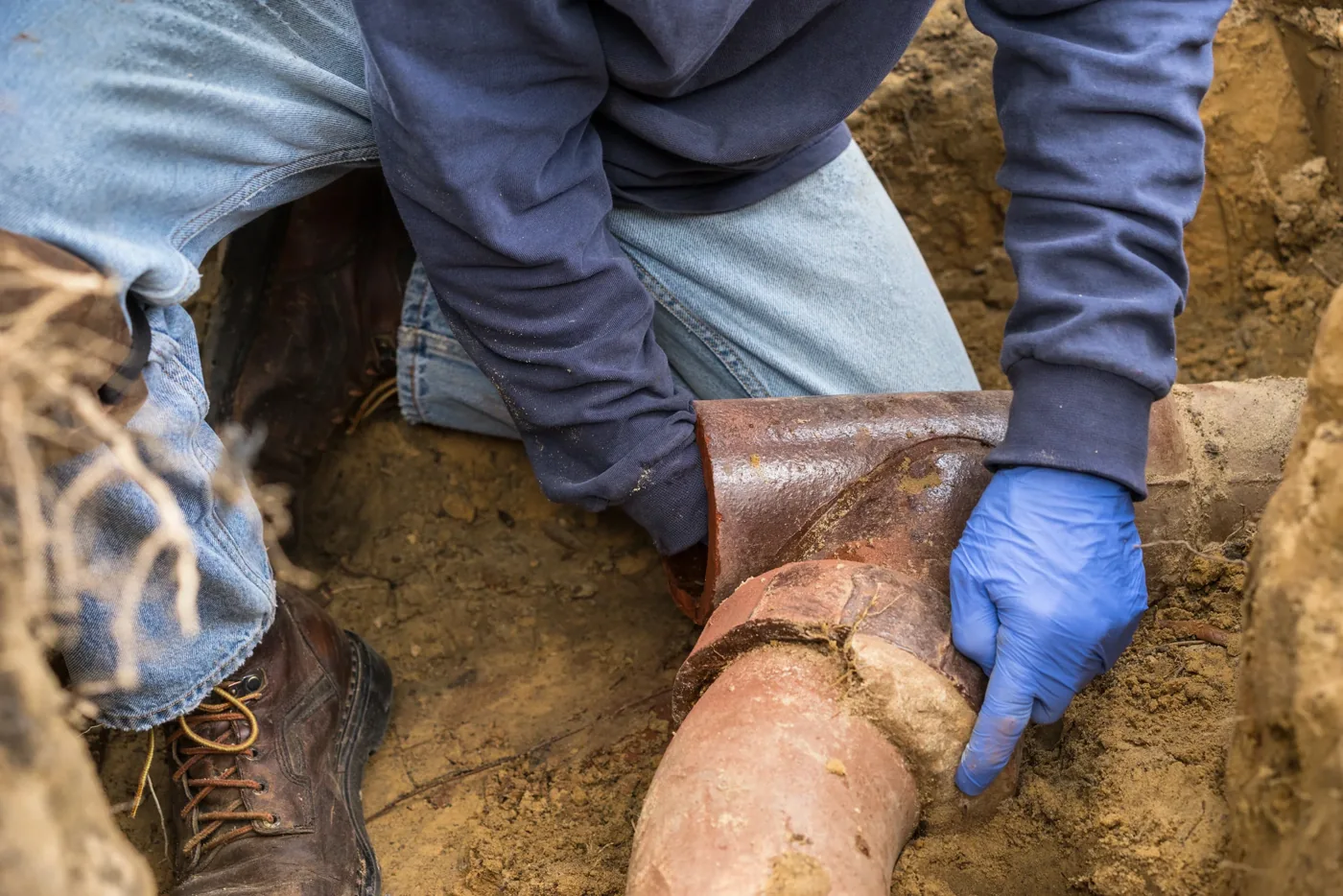
The aim is to remove the failed section and connect replacement pipe to suitable existing pipework. Cutting immediately either side of visible broken material is not necessarily sufficient if adjoining joints are displaced, pipe ends are fractured or the surrounding section has also lost alignment.
Several observations influence the decision:
- Remaining pipe condition: whether the adjacent barrels and joints are suitable for connection.
- Alignment: whether the intended flow path can be restored without leaving a significant offset or restriction.
- Levels: whether the replacement can maintain an appropriate fall between the surviving connections.
- Material and dimensions: whether compatible connections and suitable replacement components can be specified.
- Nearby branches: whether another drain joins within or close to the proposed replacement section.
- Ground condition: whether material has entered the drain or support around adjoining pipework has been disturbed.
For example, a broken clay pipe section between sound joints presents a different scope from a displaced sequence of pipes extending towards a chamber. Both may initially appear as one obstruction on CCTV, yet the appropriate replacement boundaries can differ substantially.
Can the rest of the drain be left in place?
Yes, provided the investigation establishes that the remaining pipework is suitable for retention. Replacement should address the actual failed section rather than automatically extending to the nearest building or every chamber on the route.
The condition of retained pipework still matters. If further along the run there are isolated cracks or joint defects, these may call for a separate repair assessment rather than extending the excavation without examination. Our comparison of relining and drain replacement explains the different outcomes each approach can achieve.
A liner generally requires an appropriate passage and host-pipe condition for the selected installation system. Where the pipe has completely lost its usable opening, local replacement may be needed before any separate lining of adjoining defects can be considered.
Nor should the replacement be extended simply because the buried drain is old. Its material, current condition and the evidence for additional failure are more useful than age alone.
How does ground movement change the decision?
A pipe collapse can involve more than damage to its internal wall. Soil may enter the drain through an opening, potentially leaving disturbed ground or a void around the buried section. Sunken paving is a reason to investigate the surrounding condition, but it does not, on its own, prove the exact length of pipe that has failed.
The repair assessment needs to distinguish restoring the drainage pipe from addressing affected ground and reinstating the surface above it. Those are related parts of the work, but the amount of ground treatment cannot be determined just by measuring the broken pipe.
Where excavation is necessary, the surrounding buried services must also be considered. The HSE’s guidance on avoiding danger from underground services describes planning, locating buried utilities and safe excavation as connected stages. Its excavation guidance also addresses ground support and the potential effect on nearby structures.
These considerations help explain why the physical excavation and reinstatement area may extend beyond the length of replacement pipe.
What should an excavation quotation specify?
A useful quotation distinguishes the work supported by existing evidence from work that can only be confirmed after exposing the drain. Otherwise, two apparently similar prices may include very different assumptions.
Ask for the following information:
- Identified repair location: the affected pipe run, chamber references and surveyed position of the collapse.
- Proposed opening: the expected excavation location and its relationship to paths, paving, buildings or other affected areas.
- Replacement boundaries: which pipe length is included and how the connection points will be assessed.
- Included work: investigation, excavation, pipe replacement, bedding, connections, backfill, surface reinstatement and completion checks as applicable.
- Conditional items: findings that would require a change in scope, and how the revised work would be agreed.
- Remaining drainage: whether additional pipe defects are being investigated or separately considered.
If you need a quotation for the work, see our collapsed drain repair service.
How should the completed repair be checked?
The handover should identify the actual replacement length rather than retaining only the provisional length from the quotation. If the excavation revealed additional damage, the record should explain why the scope changed.
The completed installation should be assessed against the agreed requirements for pipe alignment, connections, support and reinstatement. England’s Approved Document H addresses below-ground drainage, including pipe arrangements and inspection access. Its application depends on the work and jurisdiction involved.
Where a final CCTV inspection is specified, compare it with the original footage and check that it identifies the repaired section and its connections. Record any uninspected or untreated adjoining sections separately.
A sound decision is one that restores the failed length, establishes suitable connections and deals with any affected ground, without treating uncertainty as evidence that the entire drainage system requires replacement.