Prioritising drain repairs across a commercial property estate means considering both the condition of each pipe and the consequences of its failure. An active leak affecting occupied premises is a different problem from a recorded defect with no current symptoms. Survey quality and access constraints also matter, so a useful programme separates immediate response, planned repair and further investigation.
Give every finding a traceable location
Build the defect register around individual drain runs, using consistent chamber references and site names. Include the survey date, observed defect, footage reference, reported symptoms and the proposed next action. Avoid combining several findings under a broad entry such as ‘rear yard drains’, which makes progress difficult to track.
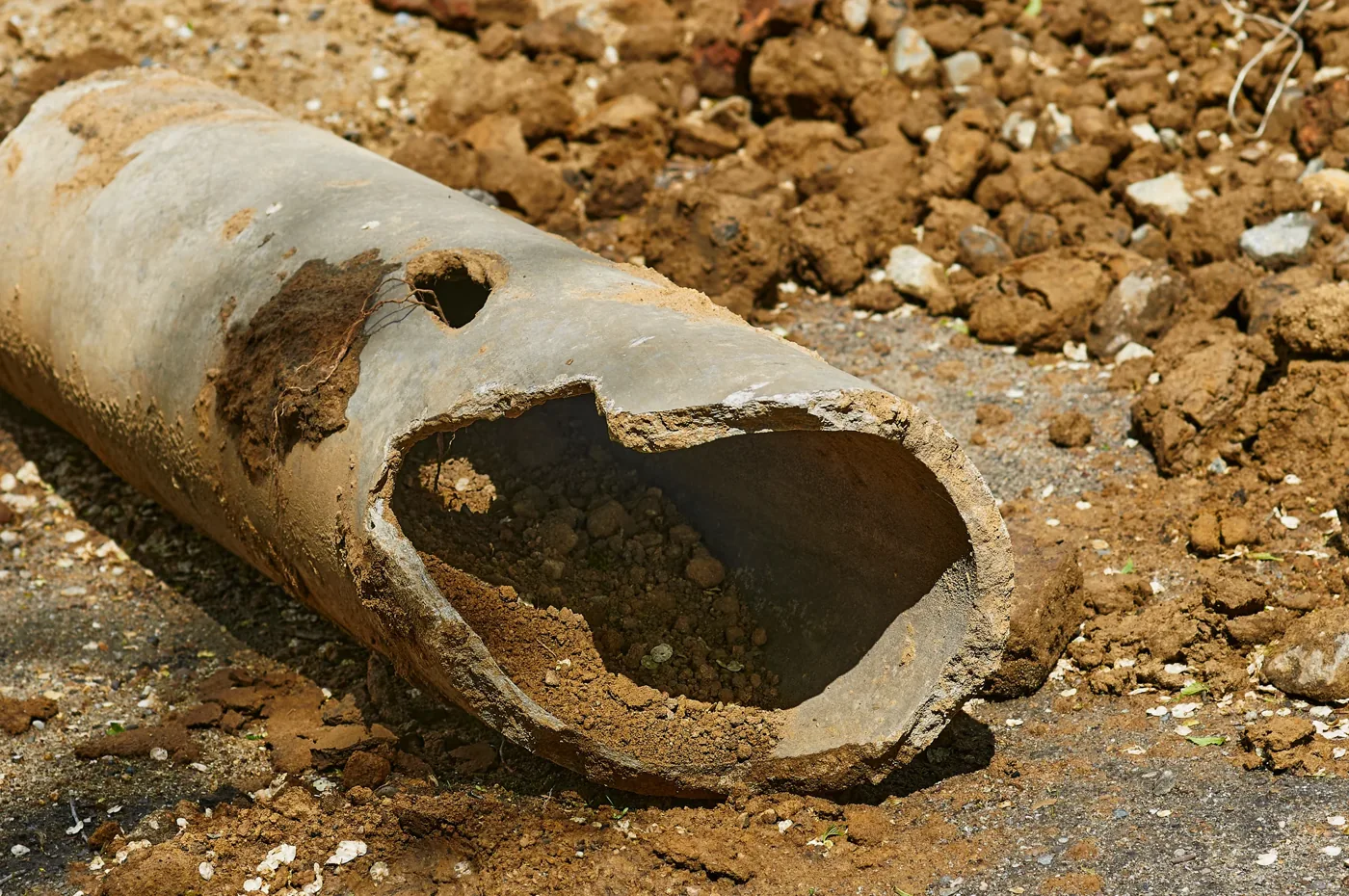
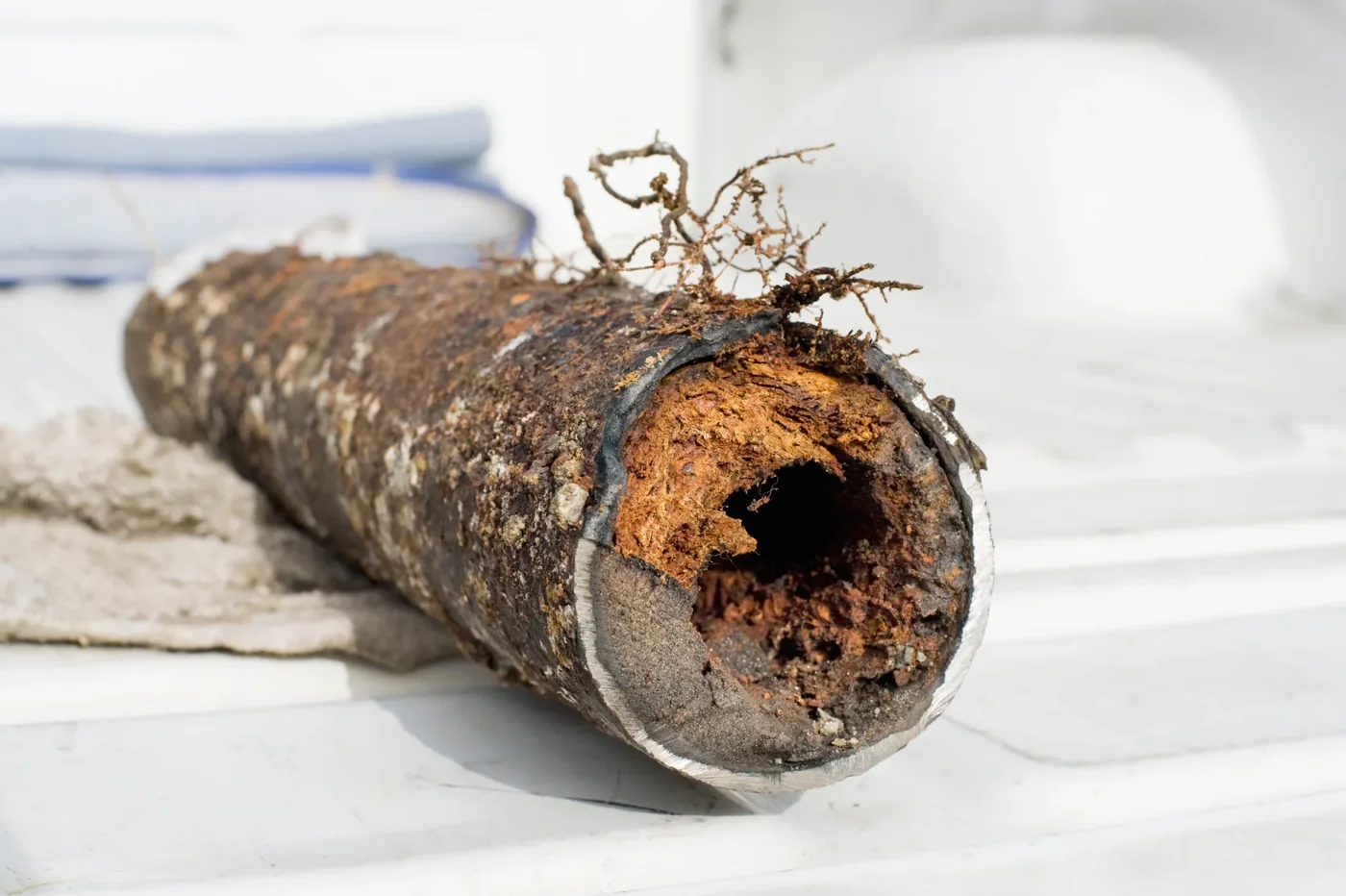
Distinguish observations from recommendations. A camera recording of a displaced joint is evidence of condition; a suggestion to reline the entire run is a proposed response. Keeping those separate allows the proposed repair to be checked against the defect, rather than treating every recommendation as an established requirement.
Consider failure and operational impact together
For each run, identify the facilities it serves and what would happen if it became unusable. A branch serving a rarely occupied store has a different operational impact from the only foul drain serving a busy workplace. The location of any escape, its effect on neighbouring property and its environmental consequences belong in the assessment too.
Record current symptoms accurately: where water backs up, which facilities are affected and when incidents occur. Repeated blockage reports can indicate a continuing problem, but they do not by themselves establish that lining is the correct remedy. Compare the symptom history with the inspected section before assigning a repair method.
The Environment Agency’s pollution-prevention guidance for businesses calls for regular drainage checks and repair of leaks or blockages to prevent pollution. This supports addressing actual condition and consequences rather than scheduling work solely by the age of the survey.
Keep uncertain findings visible
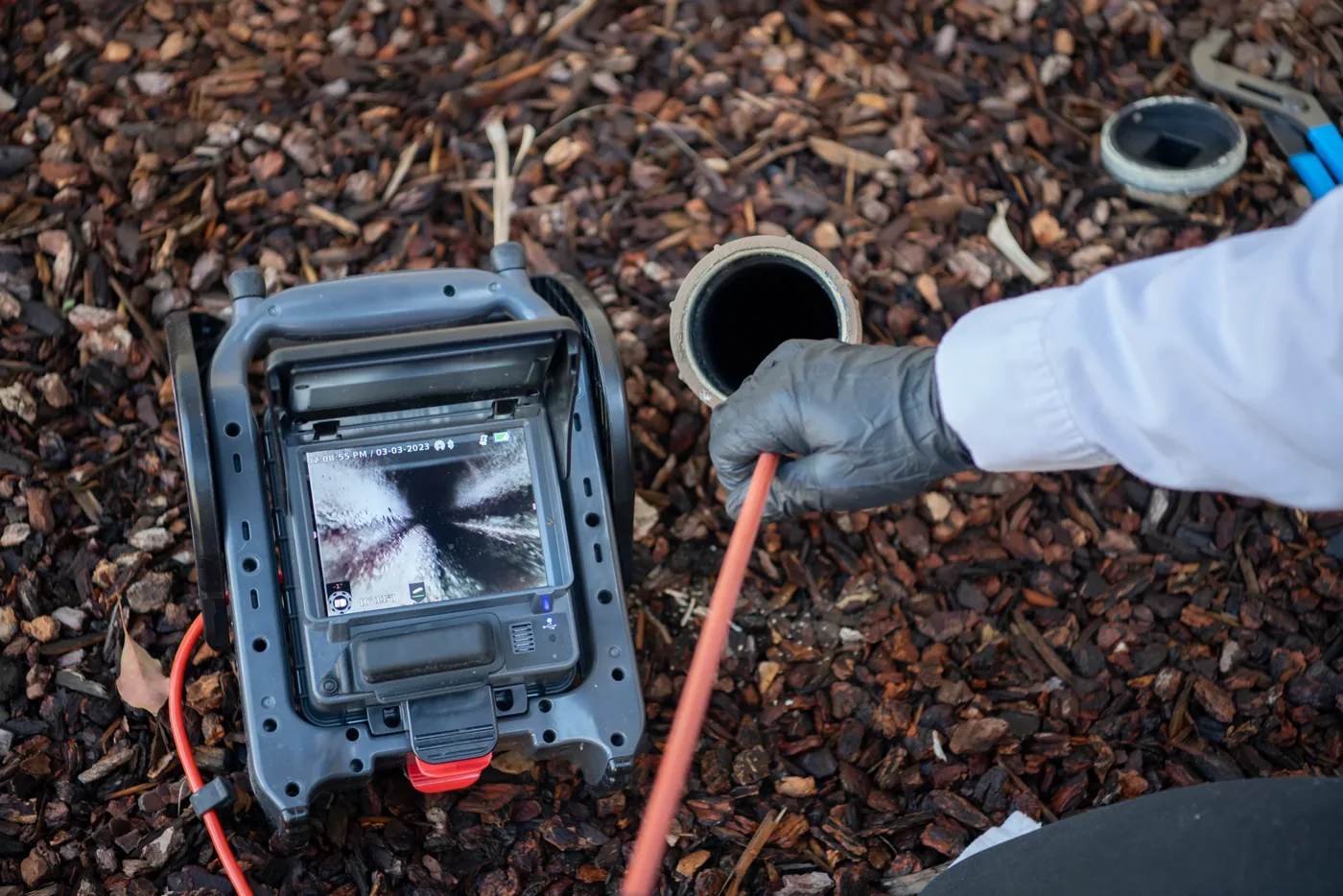
CCTV evidence quality affects how confidently a repair can be planned. If deposits obscure the pipe or the camera cannot reach the reported problem, the absence of a recorded defect is not evidence that the whole run is sound. Give incomplete investigations their own action, with the missing information clearly described.
A practical working register can group findings into:
- Active failures that need a prompt site-specific response and assessment.
- Confirmed defects for which a repair scope and working window can be developed.
- Uncertain findings that need further investigation before treatment is selected.
These groups are a management aid, not an engineering condition grade. A specialist assessment should determine the appropriate response to each defect and the circumstances in which its priority must change.
Build a programme around shared access
Once the urgent needs are understood, compare working areas and occupier constraints. Several confirmed repairs may share a chamber, traffic restriction or shutdown window. Grouping suitable work can simplify coordination, provided an unrelated access opportunity does not displace a more pressing problem elsewhere.
When discussing drain relining for property managers, supply the defect register with the supporting surveys and site access information. Ask for the proposed treatment to identify its limits, any preparatory work and the completion evidence expected.
After each visit, update the register with what was actually inspected or repaired. Retain outstanding items, their next actions and the person responsible for reviewing them. Reassess priorities when a new blockage, leakage report or change in building occupancy alters the consequences of a defect. This prevents a completed invoice for one section from being mistaken for resolution of every drainage issue at that property.